
Game Review: Baldur's Gate 3 — A Deep Dive into Narrative Complexity & Mental Health Representation
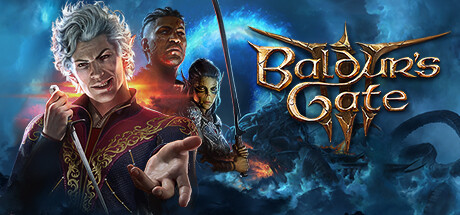
Baldur’s Gate 3, a role-playing game developed by Larian Studios and originally released in 2020, offers an immersive and expansive experience. The game unfolds its narrative across three "Acts," each presenting unique stories, puzzles, side quests, and memorable environments. With an incredible amount of content, Baldur’s Gate 3 took six years and a team of 420 individuals to develop, totaling around 5.8 million hours of effort. The game’s depth is evident in its nearly limitless decision-making possibilities, dialogue options, and side quests, all contributing to long-term consequences and high replayability. One of the game's standout features is its adherence to the Dungeons & Dragons Player's Handbook, introducing a layer of randomness to choices. Even if you attempt a particular action, the outcome isn't guaranteed. The story's trajectory varies significantly based on player choices, leading to an impressive array of potential endings. According to Larian Studios, there are at least 17,000 variations on the final ending, ensuring that each playthrough offers a unique experience.
Baldur’s Gate 3 is notable for its rich social commentary and nuanced portrayal of mental health struggles. Each companion character embarks on a personal journey, dealing with issues such as trauma, identity, sexual abuse, and stigma. The game’s portrayal of mental health is particularly poignant, with all main characters actively hearing voices throughout the narrative. This element adds depth to the storyline, making it a metaphor for navigating mental illness. The protagonist’s journey of making meaning from their struggles while fearing the loss of self echoes the experiences of many dealing with mental health issues. Of note, these issues are so well portrayed that they may be triggering to some players.
The game also mirrors real-life relationships. The protagonist can express empathy and support to characters, strengthening their bonds, or cause conflict and tension through a lack of support, sometimes leading to characters leaving the party. This dynamic adds another layer of depth, as the player's interactions can significantly impact their relationships with companions. Additionally, Baldur’s Gate 3 allows for unique identity exploration through 12 classes and 11 races, many companions being romanceable, and, of course, the robust character creation options. These features offer players a rich and personalized gaming experience, allowing them to explore different facets of their identity and relationships within the game world. The game's narrative and characters are crafted with such care that they resonate deeply with players. The time, energy, and love poured into Baldur’s Gate 3 become abundantly clear even after just one full playthrough. Each character's storyline and the overarching plot offer a profound exploration of mental health, making the game a significant achievement in representing these themes.
One review cannot adequately capture the breadth and depth of Baldur’s Gate 3. The game’s intricate design and emotional narratives reveal more layers with each playthrough, promising that there is always something new to discover. For those who appreciate complex storytelling and the exploration of mental health within gaming, Baldur’s Gate 3 is a masterpiece that invites multiple revisits.